01
Protecting neighbouring teeth
A single implant can replace a missing tooth without preparing the two adjacent teeth for a conventional bridge. A bridge may still be suitable when those teeth already need crowns.
English-speaking implant consultation
If you are considering replacing a missing tooth, we can discuss implant treatment with you in English. Your consultation covers the condition of the bone and gums, possible alternatives, expected costs and the steps from surgery to the final crown.
The booking form is in Japanese. If you need help choosing a service or arranging English support, please message us on LINE.
Medically reviewed by Dr. Ryosuke Murai (U.S.-trained prosthodontist) · Last updated: 2026-09-15
Your treatment options
We compare implants with bridges and removable dentures after examining the missing-tooth area, neighbouring teeth, gums, bite and general health.
01
A single implant can replace a missing tooth without preparing the two adjacent teeth for a conventional bridge. A bridge may still be suitable when those teeth already need crowns.
02
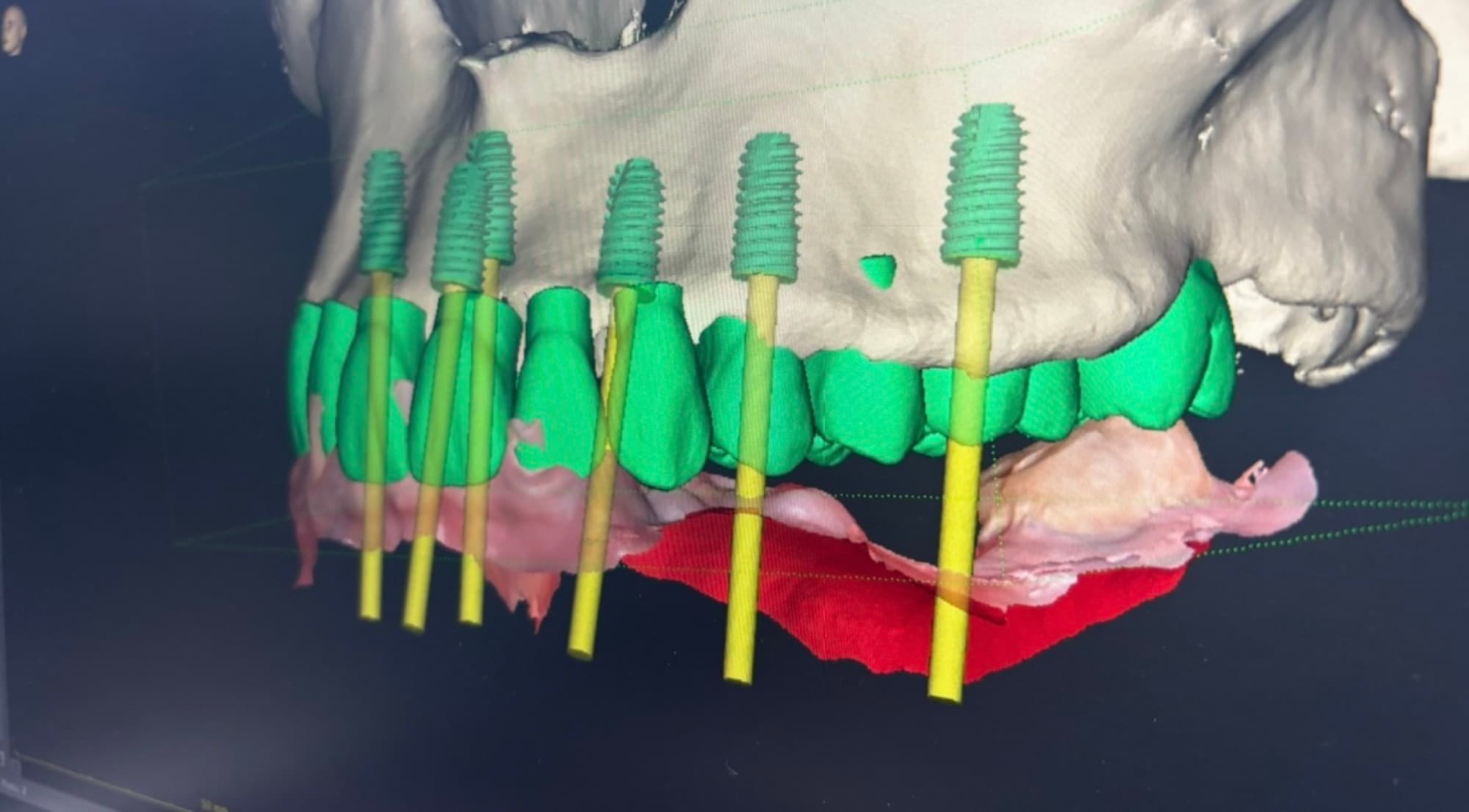
CT imaging shows the available bone and the position of nearby nerves and spaces. Active gum disease or insufficient bone may change the sequence or the available options.
03
The crown shape, contact with neighbouring teeth and access for cleaning matter after surgery. Daily care and maintenance appointments remain necessary.
Treatment options
We explain what each option requires from the surrounding teeth, whether it is fixed or removable, and what maintenance will involve.
An implant fixture is placed in the jawbone, then connected to an abutment and crown after healing. Component selection depends on the position and restorative plan.
Standard example: about ¥495,000 including a fixture, titanium abutment and basic zirconia crown.
A bridge is supported by neighbouring teeth. A denture is removable. Their effect on adjacent teeth, cleaning, surgery and cost differs from an implant.
If the available bone is insufficient, additional grafting may be considered. This can add treatment time, procedures and cost, and it does not make every case suitable for implants.
When many teeth are missing or cannot be retained, a connected full-arch restoration supported by implants may be discussed instead of separate implants for every tooth.
All-on-4 starts from ¥3,300,000 per arch.
After your examination, we will explain the recommended option, total fee and expected schedule before you decide.
Examination and treatment planning
We plan the implant position together with the crown that will be placed above it. This helps us assess appearance, bite, cleaning access and the space available for treatment.
What to expect
Step 1
We discuss the missing tooth, your priorities and medical history, then examine the site and relevant anatomy.
Step 2
You receive the proposed treatment, alternatives, expected fee, schedule and important risks before choosing whether to proceed.
Step 3
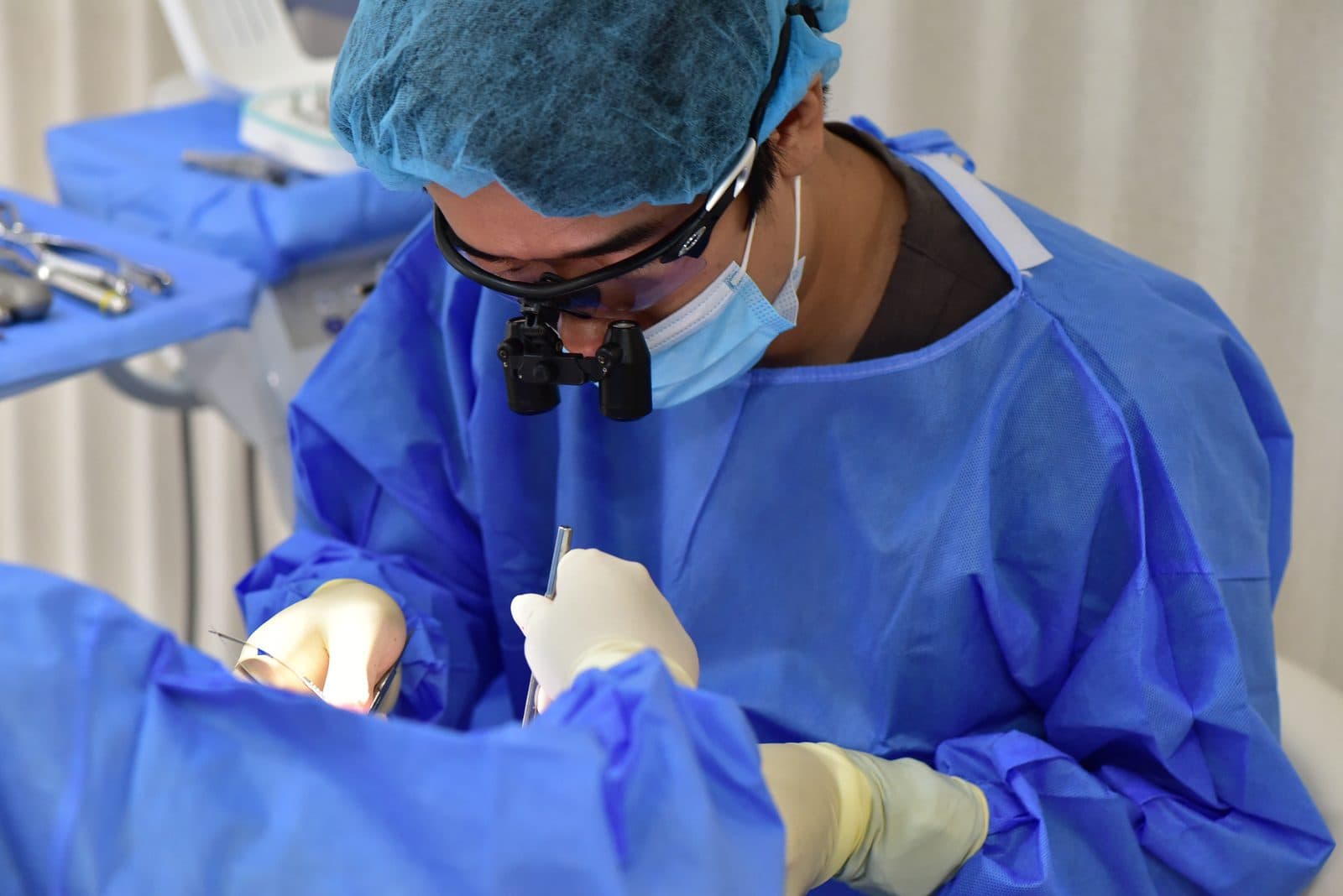
The implant is placed according to the plan. If bone grafting is needed, it may be performed before or at the same appointment as implant placement.
Step 4
After healing, the abutment and crown are fitted, the bite is checked and ongoing maintenance begins.
Treatment details
The figures below are general guides. After examining you, we will provide a written estimate and expected schedule.
Amounts include tax. Self-pay care is not covered by Japanese public health insurance. When insured care may apply, eligibility and cost depend on the diagnosis and your insurance status.
Implant and restorative planning
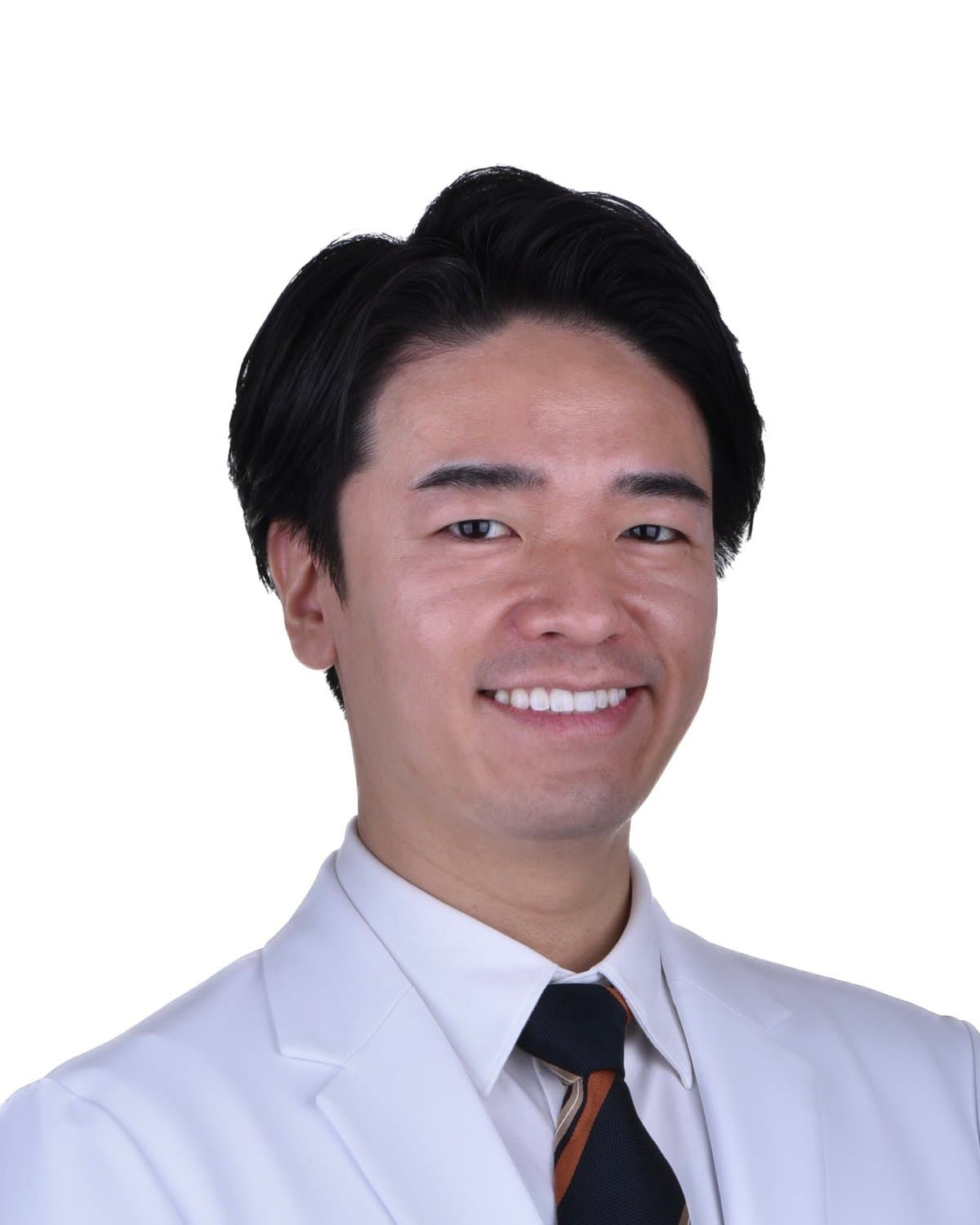
Dr. Ryosuke Murai graduated from Aichi Gakuin University School of Dentistry and completed an MSD in Prosthodontics at Indiana University School of Dentistry. He contributes to planning the final restoration and bite in selected implant cases. Another dentist may perform the examination or surgery; we will explain the treatment team before care begins.
The dentist who provides each part of your care may vary with the treatment and appointment schedule. We will explain who will be involved before treatment begins.
Frequently asked questions
You can still request an assessment. CT imaging is needed to determine whether grafting, another implant plan or a non-implant option is more appropriate.
Routine implant treatment is generally self-pay. Any insured treatment discussed around it depends on the diagnosis and your insurance eligibility.
Implant treatment normally includes a healing period and several appointments. Send your available dates before booking so we can explain what can and cannot be completed during your stay.
No. Dr. Murai contributes to restorative planning for selected implant cases. Another dentist may perform the examination or surgery. We will explain each dentist’s role before treatment begins.
Yes. A written estimate is prepared after examination and CT review. Additional procedures such as grafting or temporary teeth are included only when they are required in your plan.
Related care
A fixed full-arch option when many teeth are missing or cannot be retained.
Read in English →Assess the gum and bone support that forms the foundation for implant care.
Read in English →Understand the crown and bite planning that follows implant placement.
Read in English →THE DENTAL OFFICE Shiki
You do not need to choose a treatment before booking. Tell us what concerns you, and we will arrange the right consultation in English.
Access
Camel Building 4F, 2-30-20 Tohoku, Niiza, Saitama 352-0001, Japan · 2 minutes on foot from Shiki Station South Exit (Tobu Tojo Line)
Opening hours
Weekdays: 10:00–13:00 / 14:00–20:00 · Sat–Sun: 10:00–13:00 / 14:00–19:00 · Closed: Thursdays and public holidays