
01
How much tooth remains
A smaller inlay may preserve more tooth when the damaged area is limited. A crown covers the tooth more extensively and requires additional preparation.
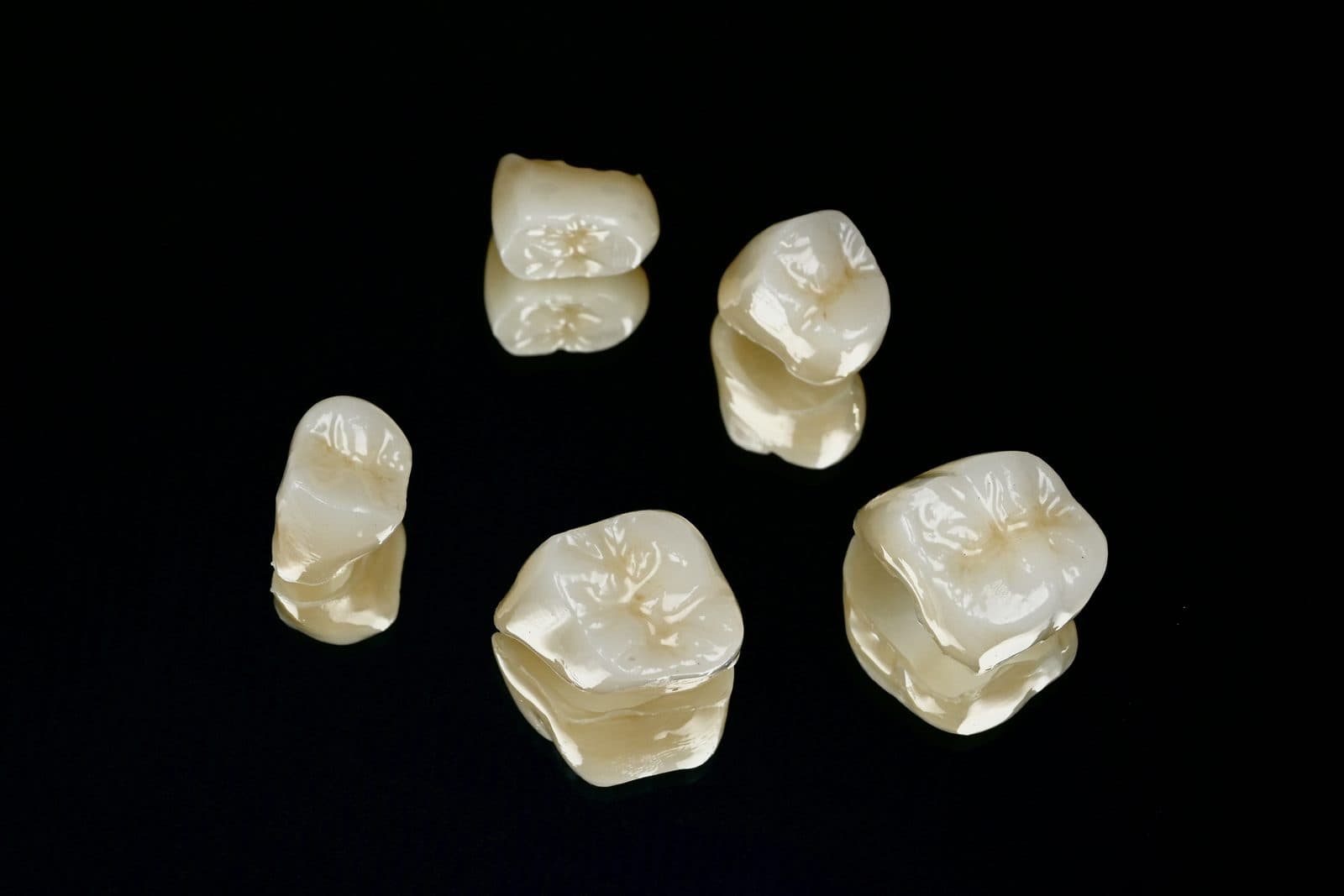
Ceramic dental treatment in English
Ceramic inlays and crowns can restore teeth affected by decay, fractures or existing restorations. We assess how much healthy tooth remains, the bite and the surrounding teeth, then explain material options, fees and limitations in English.
The booking form is in Japanese. If you need help choosing a service or arranging English support, please message us on LINE.
Medically reviewed by Dr. Ryosuke Murai (U.S.-trained prosthodontist) · Last updated: 2026-09-15
Your treatment options
The amount of tooth preparation, position in the mouth, bite force and appearance all affect the appropriate restoration.
01
A smaller inlay may preserve more tooth when the damaged area is limited. A crown covers the tooth more extensively and requires additional preparation.
02
Front and back teeth face different appearance and load requirements. Zirconia, e.max and layered ceramics are selected according to the individual plan.
03
Decay, root-canal infection, gum disease, tooth position or grinding can change the order of care or make another option more appropriate.
Treatment options
We compare the benefits and limits of an inlay, overlay, crown or direct restoration after examining the tooth.
A laboratory-made restoration for a prepared area within the tooth. It does not cover the entire visible crown.
Illustrative total ¥79,200–¥101,200 per tooth including the preparation/set fee.
A broader ceramic restoration that covers one or more cusps when more protection is needed without using a full crown.
¥167,200 per tooth including the preparation/set fee.
A crown covers the prepared tooth and can rebuild shape, contact and bite. The underlying tooth must first be assessed for decay, cracks and nerve health.
Illustrative total ¥134,200–¥167,200 per tooth including the preparation/set fee.
A direct resin restoration, observation, orthodontics or another restorative plan may preserve more tooth or better address the underlying problem.
Direct bonding is ¥44,000 when selected after examination.
After your examination, we will explain the recommended option, total fee and expected schedule before you decide.
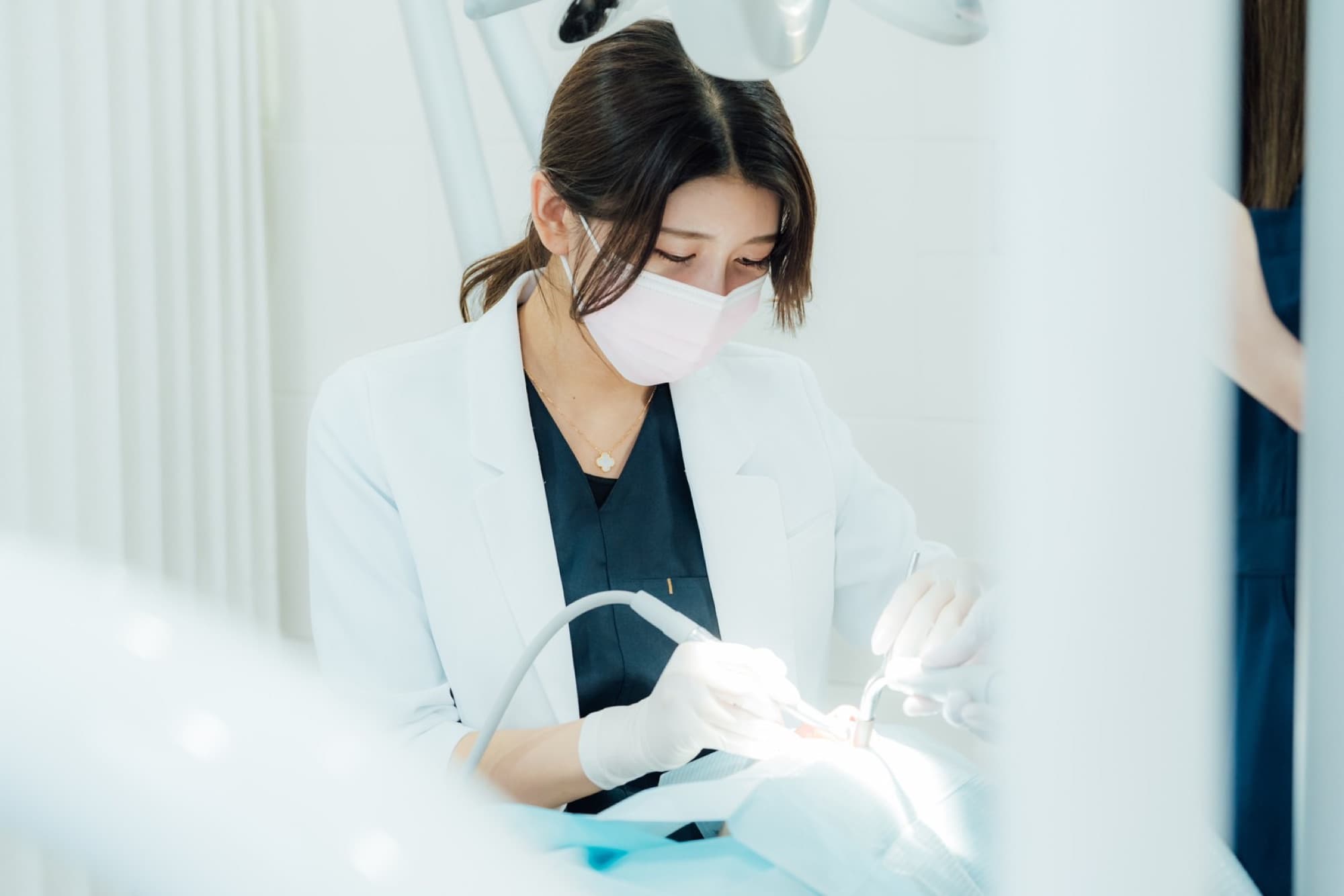
Examination and treatment planning
We check the edge of the planned restoration, contact with neighbouring teeth and the bite. Dr. Ryosuke Murai contributes a prosthodontic perspective to selected restorative plans.
What to expect
Step 1
We assess the tooth, surrounding gums and bite, and explain whether an inlay, crown, direct restoration or another treatment is appropriate.
Step 2
The tooth is prepared to the extent required. A scan or impression and shade information are taken; a temporary tooth may be used.
Step 3
Fit, contact, colour and bite are checked before the restoration is bonded or cemented.
Step 4
The tooth and restoration are reviewed, and cleaning or bite protection is discussed when needed.
Treatment details
The figures below are general guides. After examining you, we will provide a written estimate and expected schedule.
Amounts include tax. Self-pay care is not covered by Japanese public health insurance. When insured care may apply, eligibility and cost depend on the diagnosis and your insurance status.
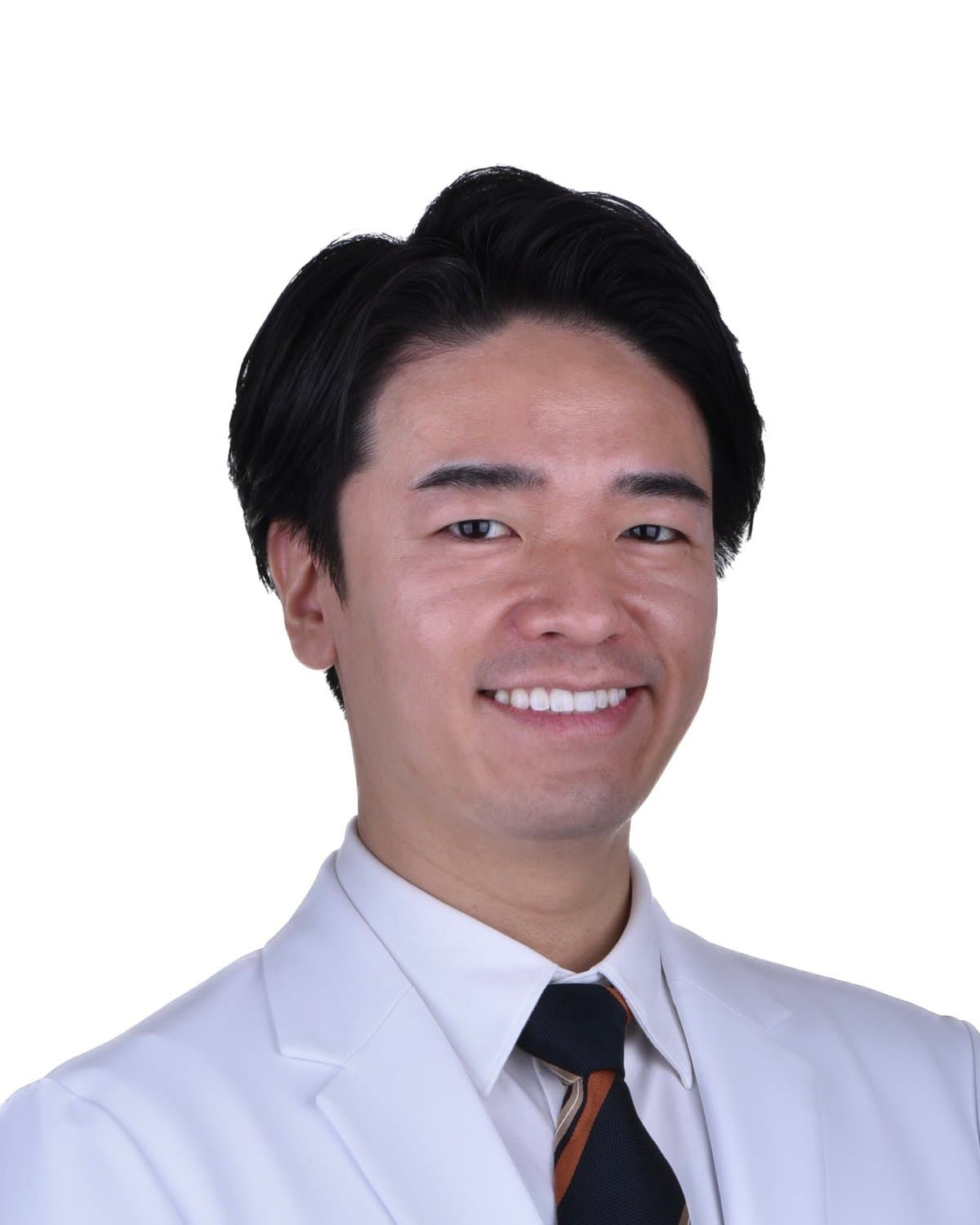
Ceramic and restorative planning
Dr. Ryosuke Murai contributes a prosthodontic perspective to selected ceramic treatment plans, including the remaining tooth structure, restoration design and bite. Another dentist may carry out the examination or treatment; we will explain who will be involved before treatment begins.
The dentist who provides each part of your care may vary with the treatment and appointment schedule. We will explain who will be involved before treatment begins.
Frequently asked questions
No. Replacement is considered when there is decay, damage, poor fit, symptoms or another clear treatment reason. A stable restoration may be monitored.
Shade and shape are planned in relation to nearby teeth, but an exact invisible match cannot be guaranteed. Lighting, underlying tooth colour and material affect the result.
No. Nerve treatment is performed only when the condition of the pulp or tooth requires it. Sensitivity and risk are discussed before preparation.
A single restoration often needs two or three visits, but laboratory time and the tooth’s condition matter. Send your available dates before booking.
The ceramic options and prices shown here are self-pay. Some insured restorative materials exist, but eligibility and appearance differ by tooth and diagnosis.
Related care
THE DENTAL OFFICE Shiki
You do not need to choose a treatment before booking. Tell us what concerns you, and we will arrange the right consultation in English.
Access
Camel Building 4F, 2-30-20 Tohoku, Niiza, Saitama 352-0001, Japan · 2 minutes on foot from Shiki Station South Exit (Tobu Tojo Line)
Opening hours
Weekdays: 10:00–13:00 / 14:00–20:00 · Sat–Sun: 10:00–13:00 / 14:00–19:00 · Closed: Thursdays and public holidays