01
Is the pulp the source?
Cold, biting and percussion tests, examination and appropriate imaging help distinguish reversible irritation from infection that needs root-canal treatment.
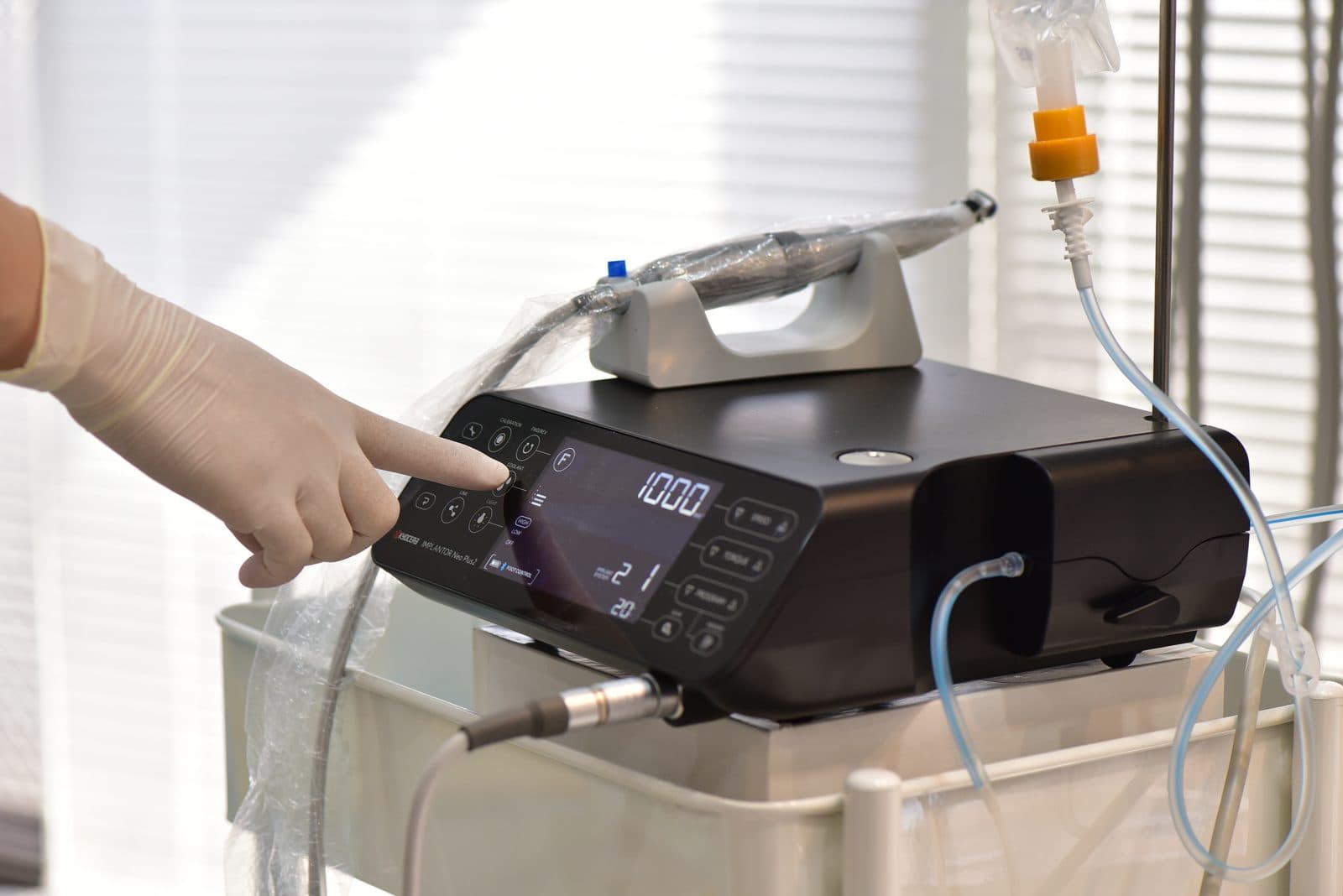
Root canal consultation in English
If a tooth is painful, swollen or sensitive for a long time, root canal treatment may be needed to treat inflammation or infection inside the tooth. We first identify the source of the symptoms and assess whether the tooth can be restored, then explain insured and self-pay options in English.
The booking form is in Japanese. If you need help choosing a service or arranging English support, please message us on LINE.
Medically reviewed by Dr. Ayaka Nakamura (Clinic Director) · Last updated: 2026-09-15
Your treatment options
A cracked tooth, gum problem, sinus-related symptom or another tooth can feel similar. Diagnosis precedes opening the tooth.
01
Cold, biting and percussion tests, examination and appropriate imaging help distinguish reversible irritation from infection that needs root-canal treatment.
02
A tooth may not be retainable when cracks, decay or loss of tooth structure extend too far. The final restoration is considered before root-canal treatment begins.
03
Previously treated teeth can have complex anatomy, blocked canals or existing restorations. Retreatment has different difficulty, fees and limits.
Treatment options
The clinic offers insured treatment and self-pay precision treatment, with differences explained before you choose.
The infected or inflamed tissue is removed, the canals are cleaned and disinfected, and the space is filled.
Self-pay root canal fees: front tooth ¥55,000, premolar ¥77,000, molar ¥110,000. The core and final restoration are separate.
Existing root filling material is removed and the canals are treated again when retreatment is considered feasible.
Self-pay retreatment ¥132,000.
A core and filling or crown may be needed to protect and restore the tooth. This is a separate treatment stage and is quoted according to the selected material.
When the tooth cannot be predictably restored, extraction and later replacement with a bridge, denture or implant may be discussed.
After your examination, we will explain the recommended option, total fee and expected schedule before you decide.
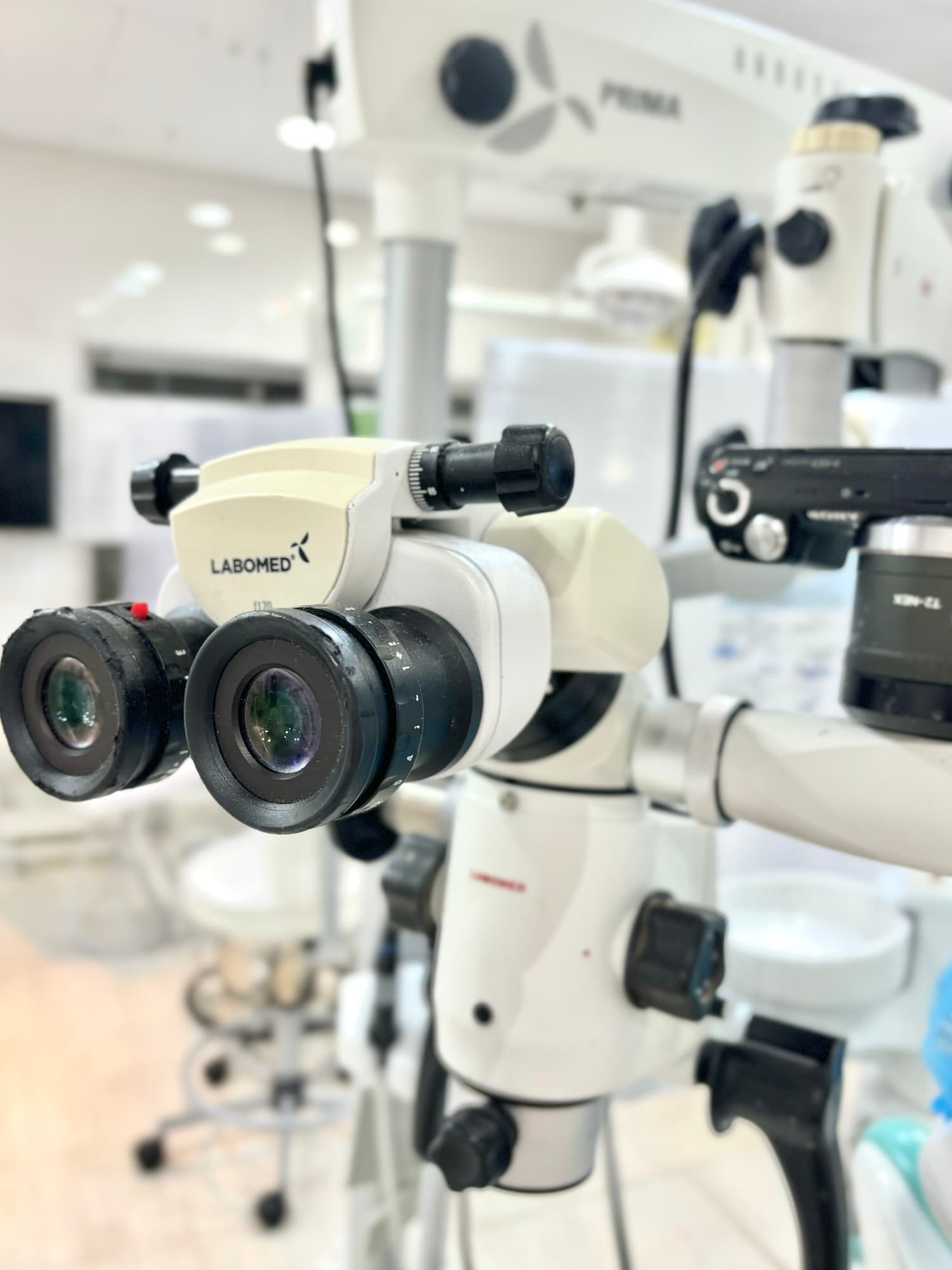
Examination and treatment planning
A microscope can improve visibility during treatment, while X-rays or CT can help assess anatomy and infection. We also check whether enough healthy tooth structure remains for the tooth to be rebuilt after treatment.
What to expect
Step 1
We identify the likely source, review imaging and assess whether the tooth can be rebuilt after treatment.
Step 2
The tooth is isolated to reduce contamination, and the canals are located, cleaned and disinfected.
Step 3
The cleaned canal space is sealed. The number of visits depends on anatomy, infection and symptoms.
Step 4
The tooth is rebuilt and protected with the restoration required for its remaining structure and bite.
Treatment details
The figures below are general guides. After examining you, we will provide a written estimate and expected schedule.
Amounts include tax. Self-pay care is not covered by Japanese public health insurance. When insured care may apply, eligibility and cost depend on the diagnosis and your insurance status.

Clinical review
Dr. Ayaka Nakamura reviews the clinic’s root-canal information. The dentist assigned to treatment depends on the tooth, complexity, required procedure and appointment schedule.
The dentist who provides each part of your care may vary with the treatment and appointment schedule. We will explain who will be involved before treatment begins.
Frequently asked questions
No. Examination and tests are needed because cracks, gum inflammation, sinus symptoms and other teeth can produce similar pain.
Some root-treated teeth have lost substantial structure and are more susceptible to fracture. The required restoration depends on the tooth and how much sound structure remains.
Sometimes. Retreatment feasibility depends on the tooth, root anatomy, existing restoration, infection and whether the tooth can be rebuilt.
No. A temporary reduction in pain does not mean treatment is complete. Delaying the remaining stages can allow contamination or fracture.
The available insured and self-pay options depend on the treatment plan. Differences in procedure and cost are explained before treatment.
Related care
THE DENTAL OFFICE Shiki
You do not need to choose a treatment before booking. Tell us what concerns you, and we will arrange the right consultation in English.
Access
Camel Building 4F, 2-30-20 Tohoku, Niiza, Saitama 352-0001, Japan · 2 minutes on foot from Shiki Station South Exit (Tobu Tojo Line)
Opening hours
Weekdays: 10:00–13:00 / 14:00–20:00 · Sat–Sun: 10:00–13:00 / 14:00–19:00 · Closed: Thursdays and public holidays